The traditional vaginal repair is a procedure called colporrhaphy, or anterior and/or posterior repair. During an anterior repair, the connective tissue between the bladder and the vagina is brought together to reestablish support. This treats the bulge of the bladder into the vagina (cystocele). During a posterior repair, the connective tissue between the rectum and the vagina is brought together. This treats the bulge of the rectum into the vagina (rectocele). During this procedure, the top of the vagina (or cervix if present) is elevated.
Vaginal Prolapse Repair
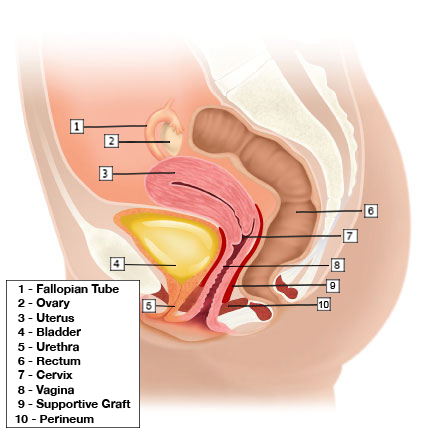
Normal Anatomy After Vaginal Prolapse Repair (With Uterus in Place)
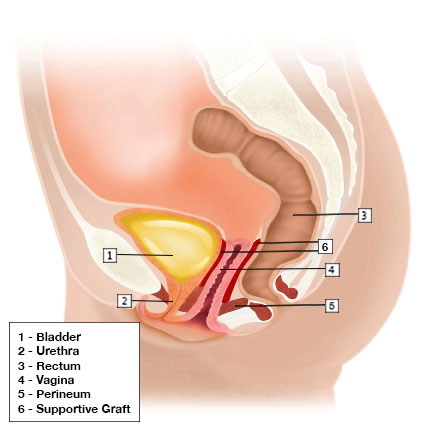
Normal Anatomy After Vaginal Prolapse Repair (With Hysterectomy)
In cases where the connective tissue around the vagina is significantly weakened, further support may be needed. One option is to reinforce the repair with an allograft that is made of processed human donor skin. The goal of the graft is it to provide additional support to the connective tissue in the area of repair.
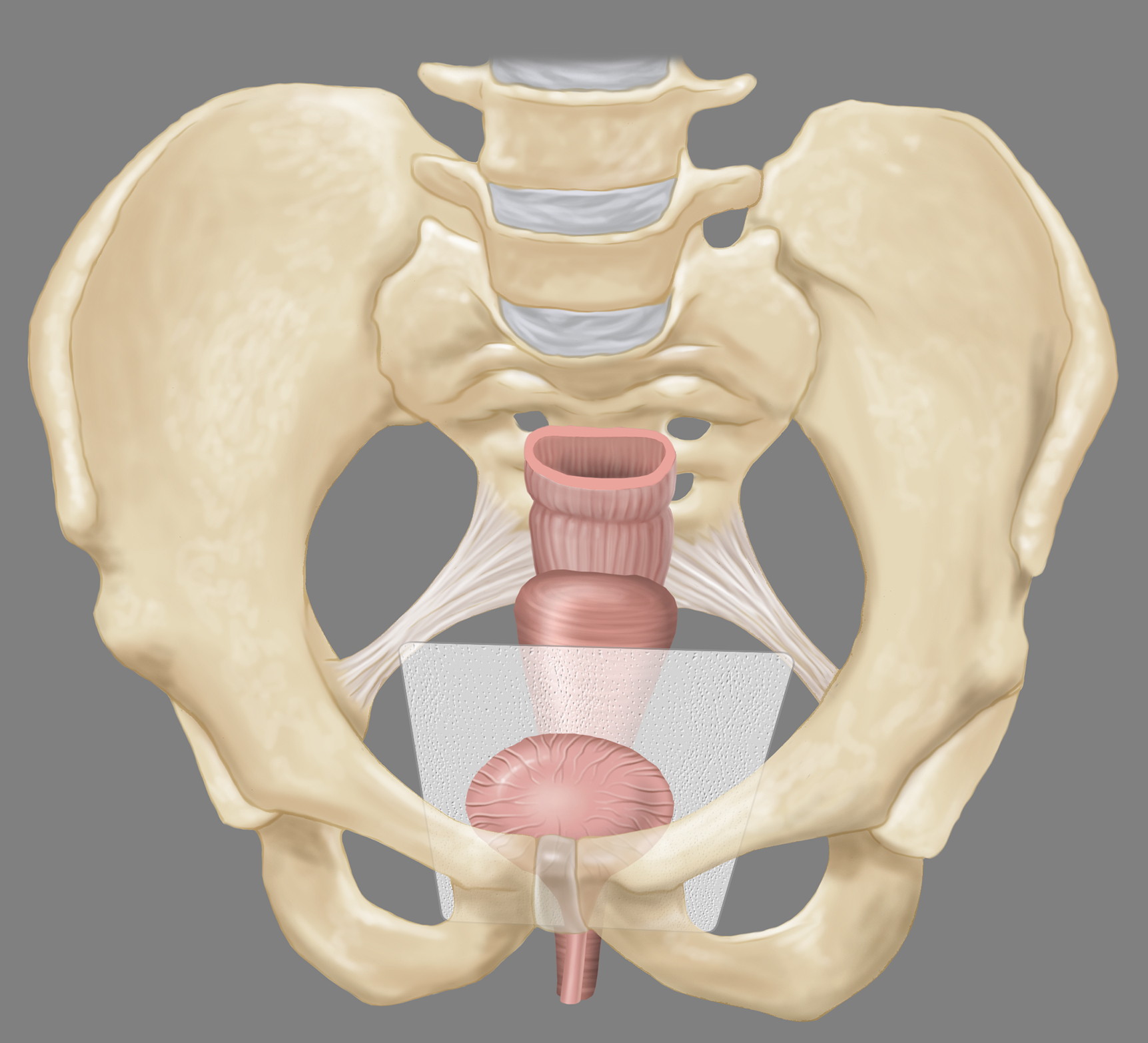
Allograft Supporting Bladder
Patients are typically discharged home the day after surgery, spending one night in the hospital and return to normal activity in 2-3 weeks. Healing is typically complete 6 weeks after surgery.
Book An Appointment
It's never "fun" to need surgery for a urogynecologic problem. But Dr. Shashoua, Kristin Longshore, ANP, medical assistant Marissa and the rest of the staff made the entire experience (diagnosis through postop care) a positive one. At all points, I was treated with respect and caring. My postop pain was managed well. No question went unanswered - even the ones that may have seemed small. They took the time to listen to any concerns I had and included my husband as a member of the care team.
I'm not in need of care any longer since all went well with my surgical procedure. I would not hesitate to refer other women for evaluation (and care) of female pelvic problems with Dr. Shashoua and his team. If you decide to see him, you'll experience what clinically competent, patient-centered care really feels like.
-Ann R.
Got questions? Need an appointment? We’re here to help!